
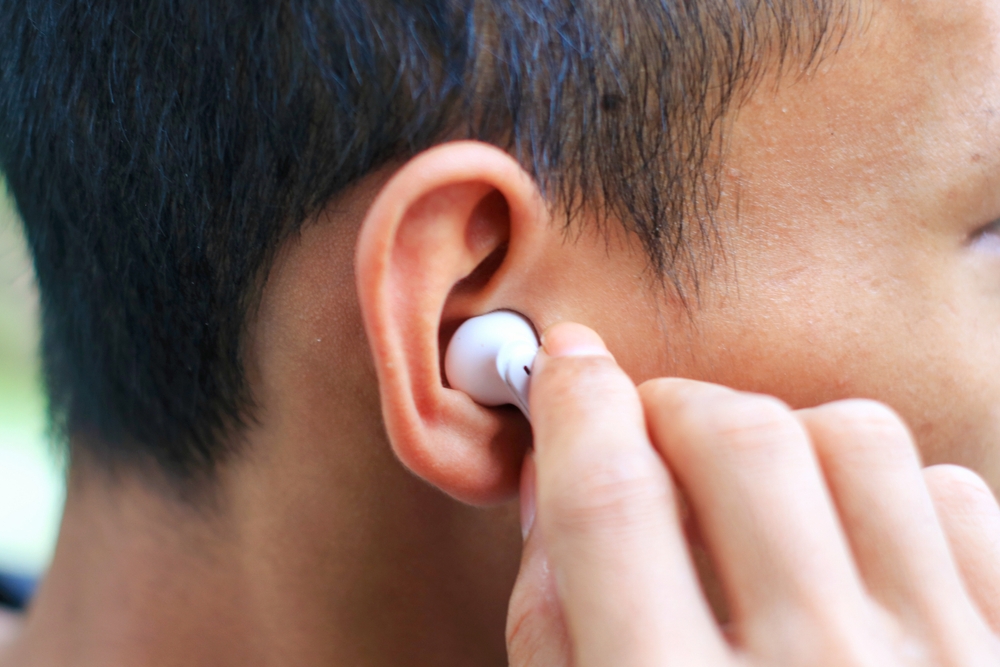
We seldom encounter a teenager or young adult who isn’t currently using a personal audio device. While traditional headphones are more substantial in size, adolescents frequently utilize them to create a private acoustic environment. The appreciation for music is a cross-generational trait, yet younger individuals often depend on it for constant background stimulation. Does the immediate physical closeness of these transducers to our ears result in measurable hearing loss? Ultimately, hearing health depends on the management of volume and duration rather than the device category.
When Healthy Listening Becomes Hazardous
The psychological impact of music varies, serving to calm the nerves, provide emotional solace, or increase physiological arousal. This subjective experience is dictated by the specific characteristics of the chosen track. Employing in-ear monitors is an effective method for maintaining acoustic privacy in public environments. This is a widely appreciated social habit that helps maintain a respectful atmosphere in shared transport settings.
The real questions are: how loud is too loud, and how long is too long? It is well-established that loud noise, regardless of the source, can compromise your long-term hearing sensitivity. Combining high-intensity sound with extended exposure times can lead to permanent sensorineural damage. Since hearing shifts occur incrementally, the window for prevention has often closed by the time a patient seeks help.
The Key Dangers of Headphones and Earbuds
The intensity of the decibels is the leading risk factor for permanent auditory trauma. Nevertheless, the timeframe of the sound exposure is just as critical a factor as the intensity itself.
- Clinical guidelines from the NIH suggest that listening at or below 70 dB prevents damage regardless of the duration.
- There is a direct correlation between increased sound pressure and the speed of hearing degradation.
- Audiologists recommend the 60/60 rule: stay below 60% of max volume and limit sessions to one hour.
- Protect your hearing by turning down the volume on your device and limiting your exposure.
Red Flags: When to Suspect Hearing Impairment
Experiencing aural fullness, persistent **tinnitus**, or difficulty deciphering dialogue in crowds suggests it is time for a clinical hearing test.
If you suspect a decline in your hearing, contact our office to begin a professional diagnostic process.